Let me start with what will surely be a bombshell for many readers. And then explain why this bombshell is so important.
Most Americans believe the United States did more than any other nation to defeat Nazi Germany.
They’re wrong.
Before any grenades are lobbed my way, let me make clear this isn’t any sort of disparagement of all America gave to the war effort. Those contributions and sacrifices were, objectively speaking, astounding. But they simply don’t match the contributions and sacrifices of our wartime ally and frenemy, the Soviet Union. And that is a statement of historical fact.
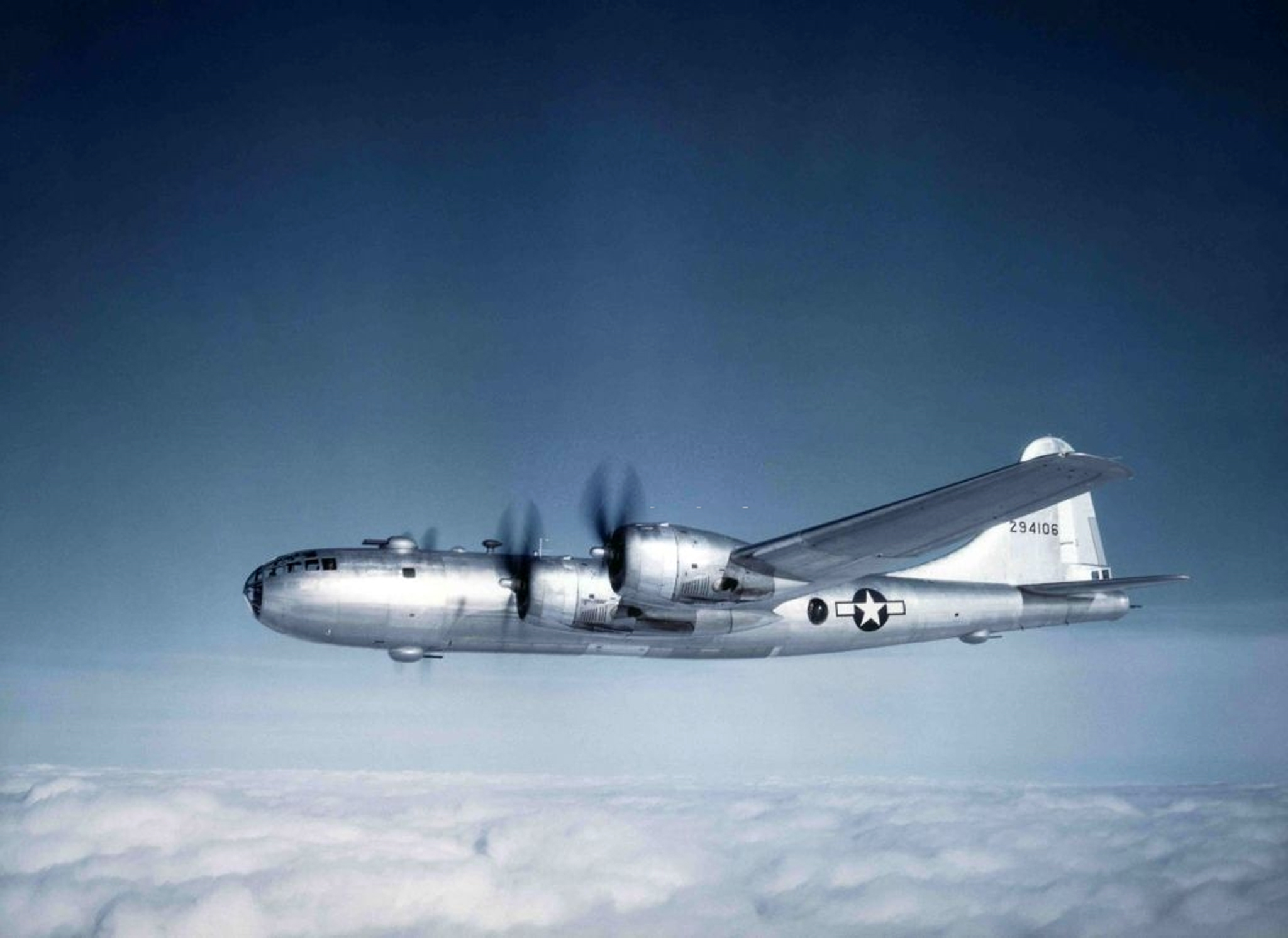
For those who take offense at any notion of the United States as a second fiddle, it’s an understandable response. After all, American soldiers stormed the beaches of Normandy, liberated Western Europe, and led the conclusive drive deep into the German interior. Throughout the war, our factories and plants churned out eyepopping numbers of ships, planes, and armored vehicles – not just for us, but for the British, Chinese, and yes, the Soviets, as well. Heck, a single factory in Detroit produced nearly as many tanks as every German factory combined. All of that has fueled an age-old narrative that America’s military and industrial might was the single most decisive element in defeating Hitler, a claim echoed by many of our history books.
There’s just one problem. The Soviet Union did most of the fighting.
If that statement makes Americans uncomfortable, it should not. By the time Allied troops landed in France in June 1944, Germany had already suffered the overwhelming majority of its military casualties on the Eastern Front. Battles at Leningrad, Moscow, Stalingrad, and Kursk were fought on a scale almost beyond comprehension. Millions of soldiers participated, entire armies vanished, and the losses dwarfed anything experienced by the Western Allies.
The numbers alone tell a stunning story. 418,000 Americans were killed in the war, a terrible number, especially considering almost none of it was fought on our own soil. For the Soviets, we’ll never know precisely how many, but historians agree the combined number of soldiers and civilians lost was in the tens of millions. Tens of millions.
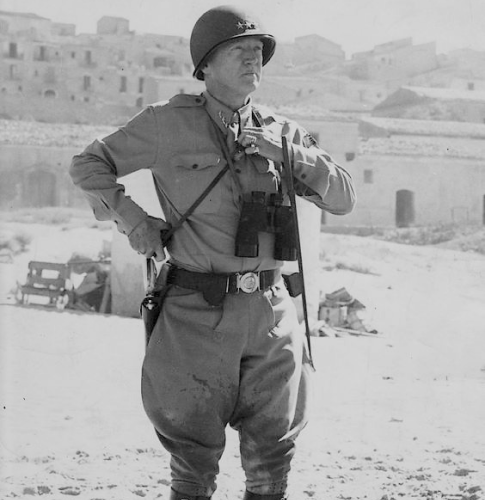
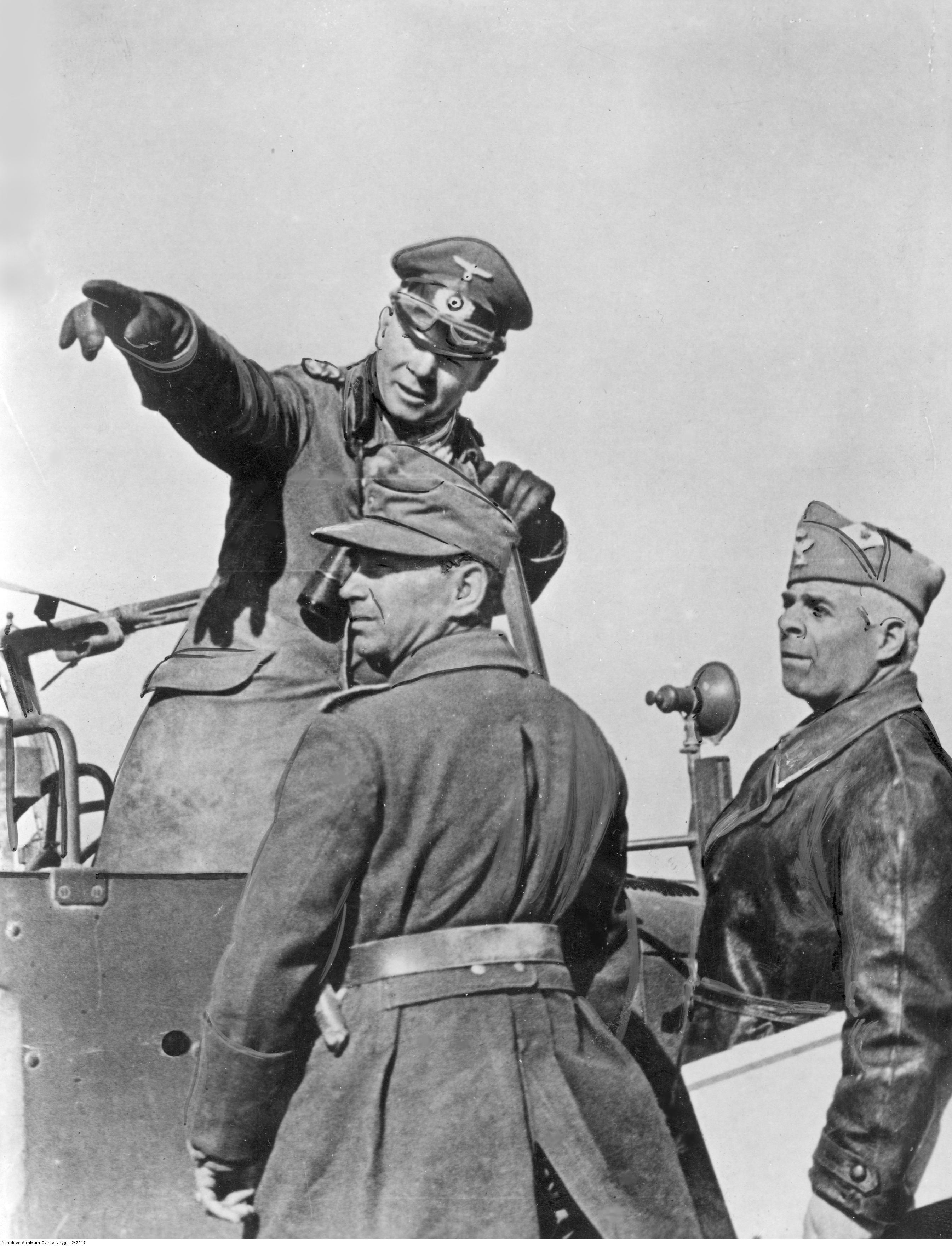
Consider this dichotomy in 1943. Early that year, American forces faced off against Field Marshal Erwin Rommel’s Afrika Korps at Kasserine Pass in the North African desert. It was the first U.S. action against the Germans, and it ended in humiliating defeat, with some 6,000 Americans killed, wounded, or missing. It was considered such a disaster that the American general in charge was removed from the theater.
But put that number next to what was happening simultaneously on the Eastern Front, and it barely registers. That same summer, the Soviets suffered close to 750,000 casualties at the Battle of Kursk alone – a figure so staggering it makes the Kasserine Pass look like a skirmish. Even the late-war Battle of the Bulge, the single costliest engagement in U.S. Army history with some 80,000 men killed or wounded, doesn’t come close. In short, the Western Allies were fighting a brutal war, but the Soviets were fighting a different kind of war entirely. One where deaths were not measured in thousands, but in hundreds of thousands, again and again.
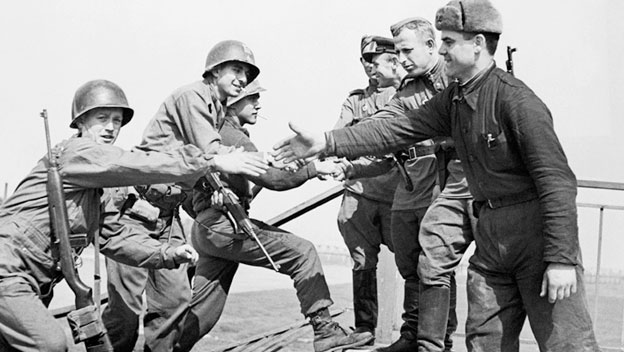
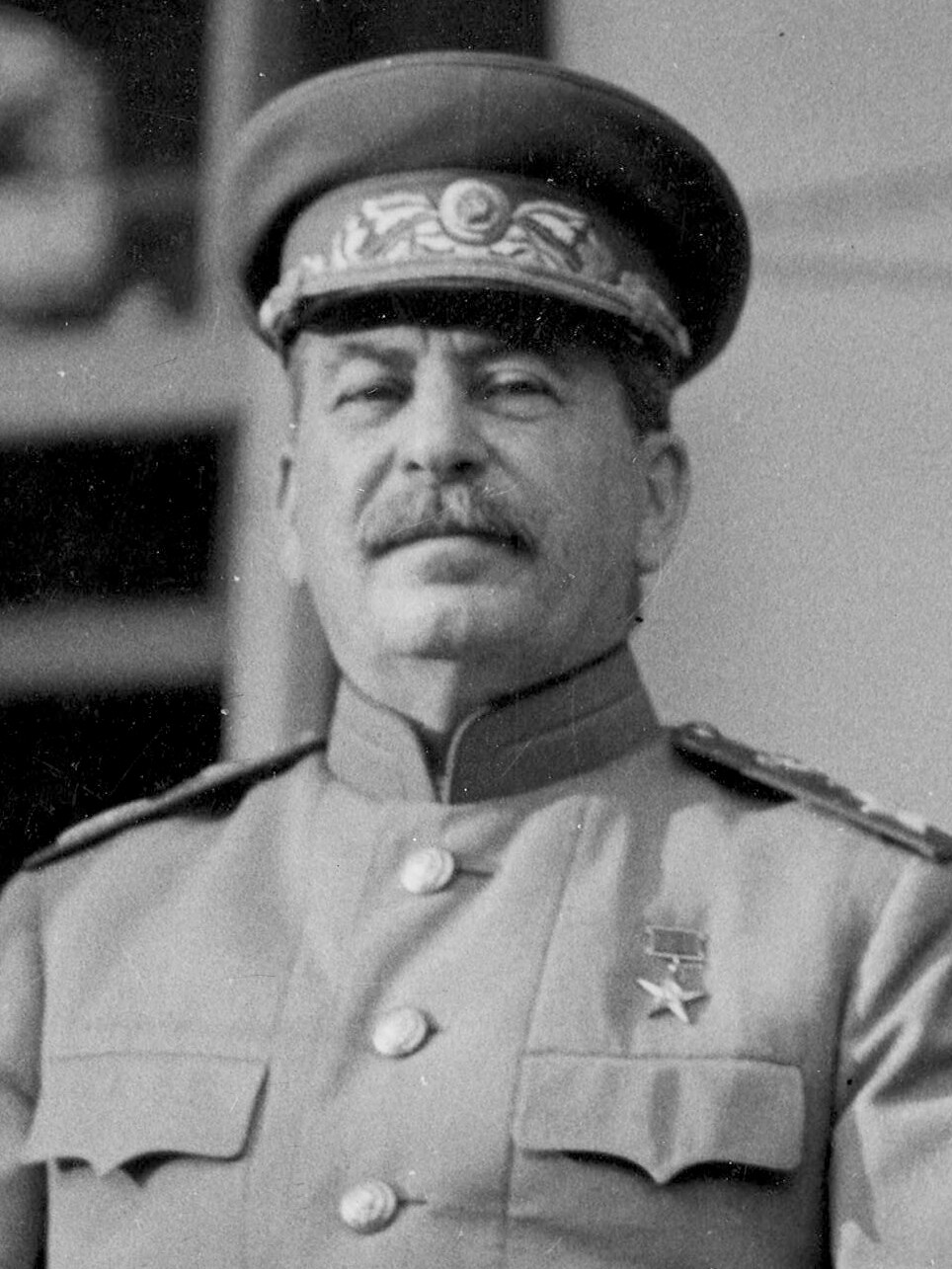
To acknowledge this reality is not to diminish the sacrifices of American, British, Canadian, or other Allied forces. Nor is it to glorify or excuse the crimes of Joseph Stalin’s brutal regime. It is simply to recognize what happened. And the truth is neither side won World War II alone.
Without the Soviet Union, Germany may well have defeated Britain and consolidated its hold on Europe. Without the United States—its industrial power, strategic bombing, and the eventual opening of a second front—the Soviet Union might not have survived the war at all.
So, why is this so important?
History rarely conforms to the tidy narratives we prefer. World War II certainly doesn’t. The Allies who defeated Hitler included democracies, colonial empires, and, in the case of the Soviets, one of history’s most murderous dictatorships. It was an alliance born not of shared values, but of necessity.
History is not supposed to make us feel better about ourselves. Its purpose is to help us understand the past as it actually occurred. The moment we begin reshaping history to flatter our country, our ideology, or our own sense of national pride, we cross the line from objective history to mythology.
And there is a deeper irony here. Excessive nationalism and a belief in a nation’s unique greatness were among the forces that helped plunge the world into war in the first place. History has to be confronted honestly, even when the facts challenge our preferred alternatives.
Perhaps that’s the lesson. The most important events in history are often the ones that refuse to fit neatly into our preferred version of the past. And if we are unwilling to follow the evidence where it leads, we risk learning exactly the wrong lessons from history’s greatest tragedy.